THE HANGAR

Meet the machines. Records and all.

Nine types, every one of them flown by airlines on this site. Each one leads with its rate — accidents per million departures — because that is the number that describes your flight. The death tolls are underneath, unedited. A page that shows you only the clean records is not reassurance, it's advertising.

Cumulative deaths are not risk. The 767 has flown for four decades; the A350 for one. Old aircraft accumulate accidents the way old roads accumulate potholes. So every card below divides by departures. Across the whole fleet it comes to one passenger death per 13.7 million boardings. See the odds.
Where the rates come from. Boeing, Statistical Summary of Commercial Jet Airplane Accidents, Worldwide Operations 1959–2025 (57th ed.). Rates are hull-loss accidents per million departures, 1959–2025, worldwide. Boeing reports by family, so the 787-9 carries the 787’s rate. Its “with fatalities” rate counts deaths anywhere — on the ground, or aboard another aircraft — which is why the A350 shows a fatal rate although nobody aboard an A350 has ever died. Fleet-wide: 1.05 hull losses and 0.52 fatal hull losses per million departures. Boeing statsum (PDF) →
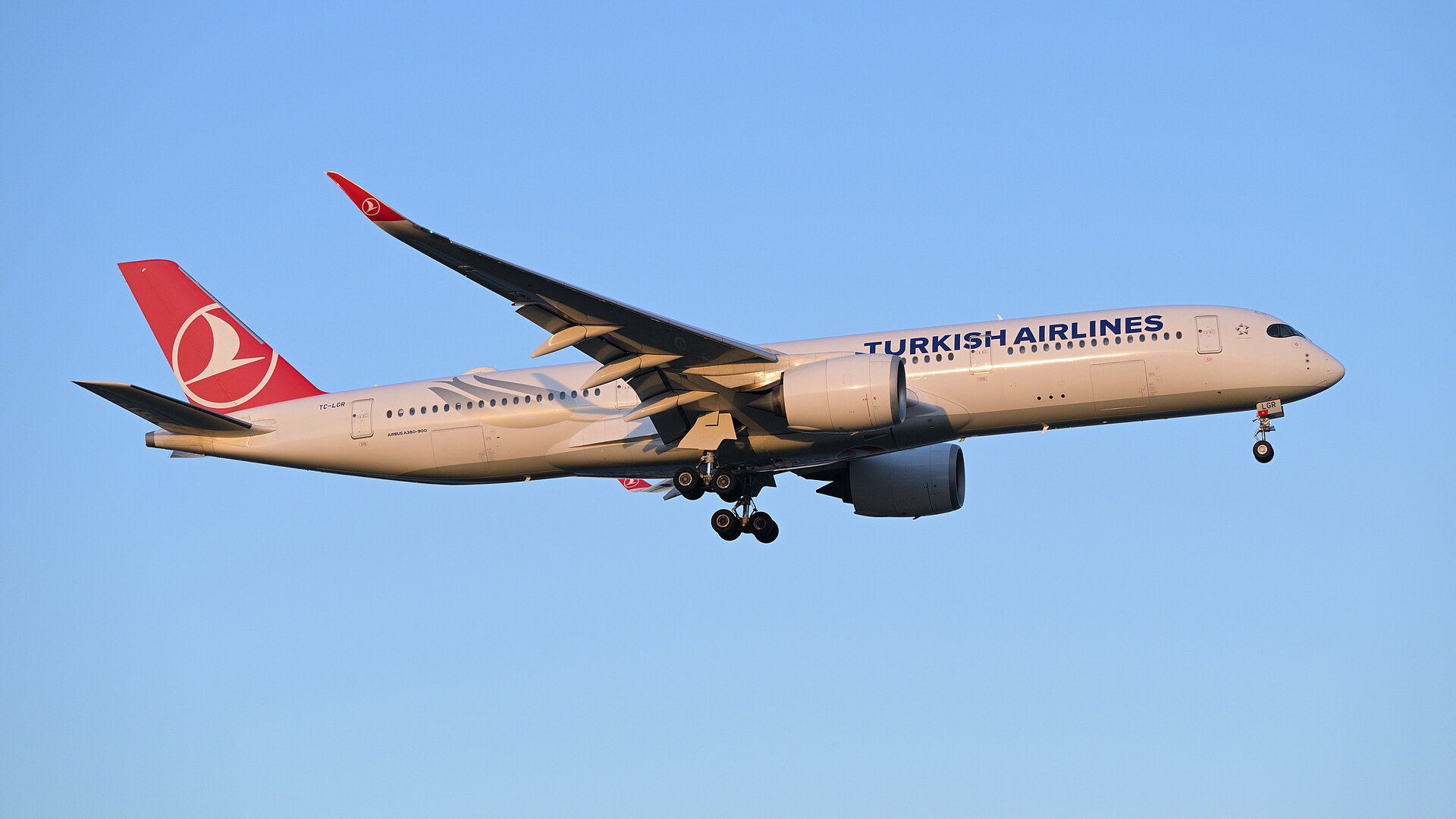
Airbus A350-900 in airline service, photographed by 4300streetcar
AIRBUS · IN SERVICE SINCE 2015

Airbus A350-900

0.46
HULL LOSSES / MILLION DEPARTURES

Boeing counts this type's one hull loss as fatal: five died aboard the Coast Guard aircraft it struck at Haneda. Nobody aboard an A350 has ever died.

Boeing family “A350” · fleet average 0.52
Boeing StatSum, 57th ed. → (opens in a new window)
One hull loss. Nobody aboard has ever died.

In January 2024 one collided with a Coast Guard aircraft on the runway at Haneda and burned to the ground. All 367 passengers and 12 crew got out. Five of the six aboard the smaller aircraft did not. The A350 did exactly what it was certified to do: hold together long enough to empty.

Wikipedia — Airbus A350, Accidents and incidents (opens in a new window) Full Airbus A350-900 page
Record checked 2026-07-09. Photo by 4300streetcar · CC BY 4.0 (opens in a new window) · Wikimedia Commons (opens in a new window)
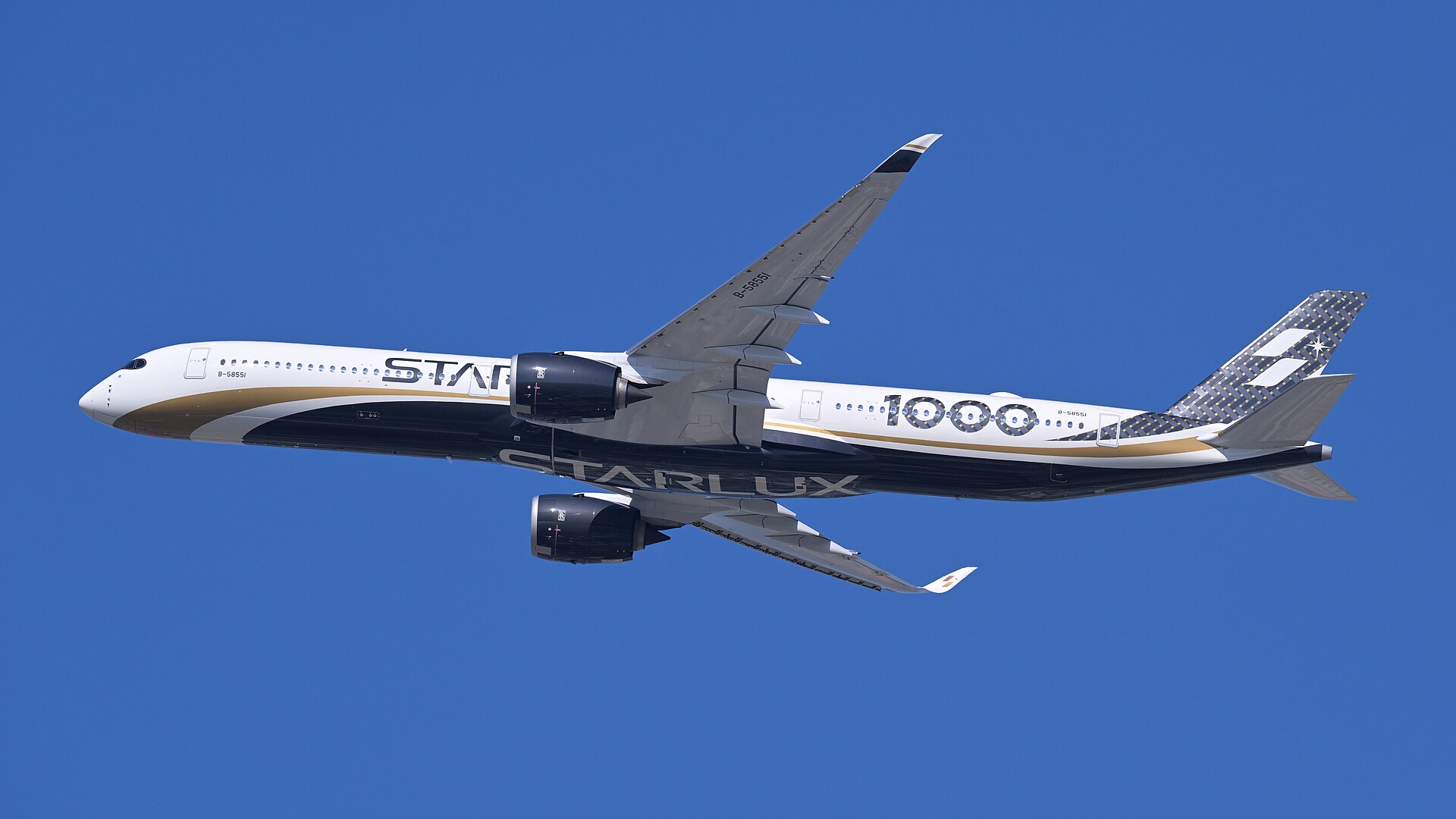
Airbus A350-1000 in airline service, photographed by 4300streetcar
AIRBUS · IN SERVICE SINCE 2018

Airbus A350-1000

0.46
HULL LOSSES / MILLION DEPARTURES

Boeing counts this type's one hull loss as fatal: five died aboard the Coast Guard aircraft it struck at Haneda. Nobody aboard an A350 has ever died.

Boeing family “A350” · fleet average 0.52
Boeing StatSum, 57th ed. → (opens in a new window)
No fatal accident on record.

The stretched A350. In service since February 2018 with Qatar Airways, and so far entirely uneventful — which is the only review an airliner ever wants.

Wikipedia — Airbus A350 (opens in a new window) Full Airbus A350-1000 page
Record checked 2026-07-09. Photo by 4300streetcar · CC BY 4.0 (opens in a new window) · Wikimedia Commons (opens in a new window)
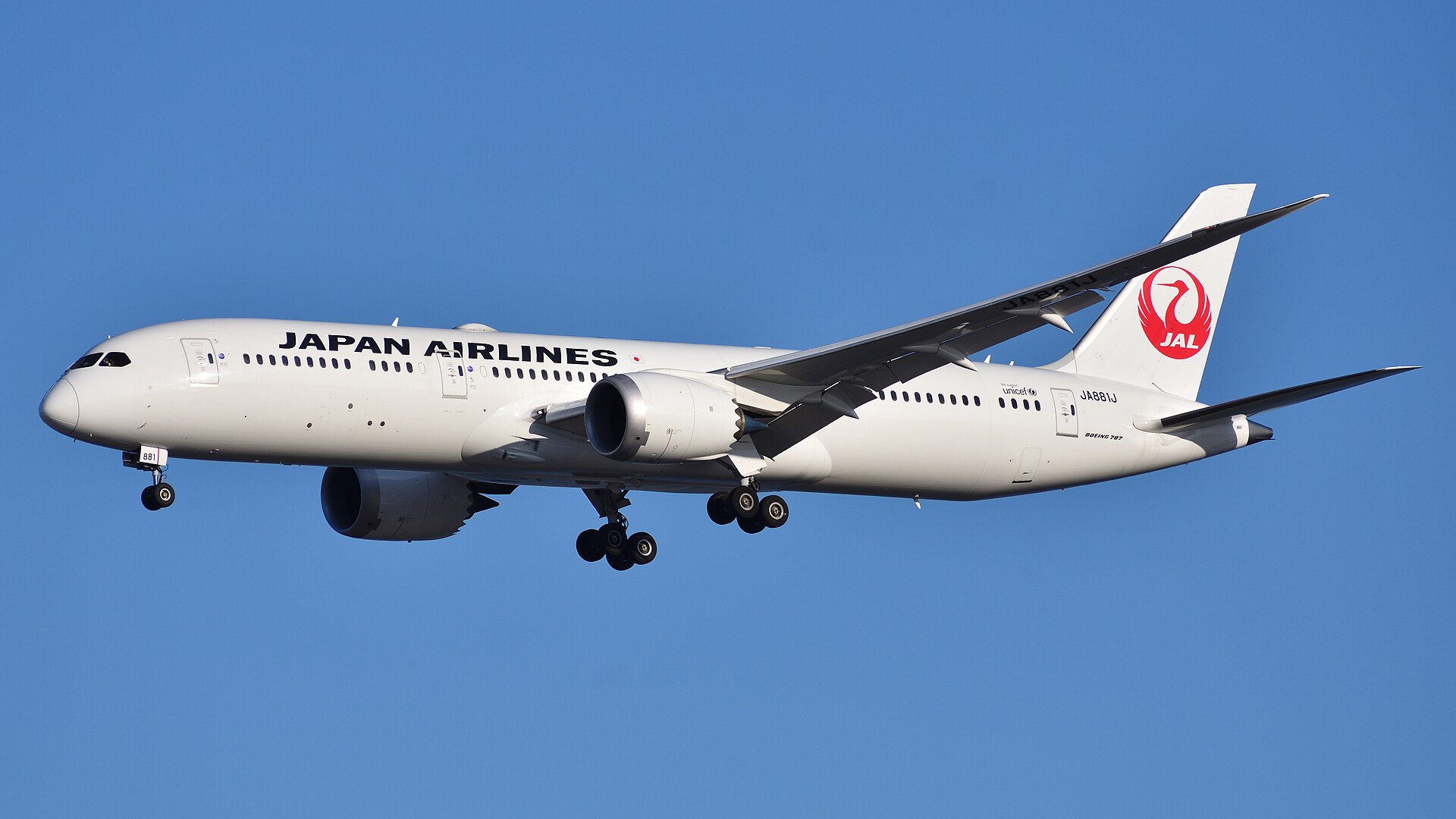
Boeing 787-9 in airline service, photographed by 4300streetcar
BOEING · IN SERVICE SINCE 2014

Boeing 787-9

0.00
HULL LOSSES / MILLION DEPARTURES
0.00
WITH FATALITIES
Boeing family “787” · fleet average 0.52

Boeing excludes Air India 171 — a 787-8 that crashed in June 2025, killing 241 of the 242 aboard and 19 on the ground — because ICAO had not yet classified it. The rate below does not contain that crash.

Boeing StatSum, 57th ed. → (opens in a new window)
One fatal accident in the 787 fleet, June 2025.

The 787 carried over a billion passengers before its first fatal accident: Air India 171, a 787-8, in June 2025. It killed 241 of the 242 people aboard and 19 people on the ground. It was the family's first crash in fourteen years of service, and it is the reason this page will never tell you an aircraft has never killed anyone.

Wikipedia — Boeing 787 Dreamliner, Accidents and incidents (opens in a new window) Full Boeing 787-9 page
Record checked 2026-07-09. Photo by 4300streetcar · CC BY 4.0 (opens in a new window) · Wikimedia Commons (opens in a new window)
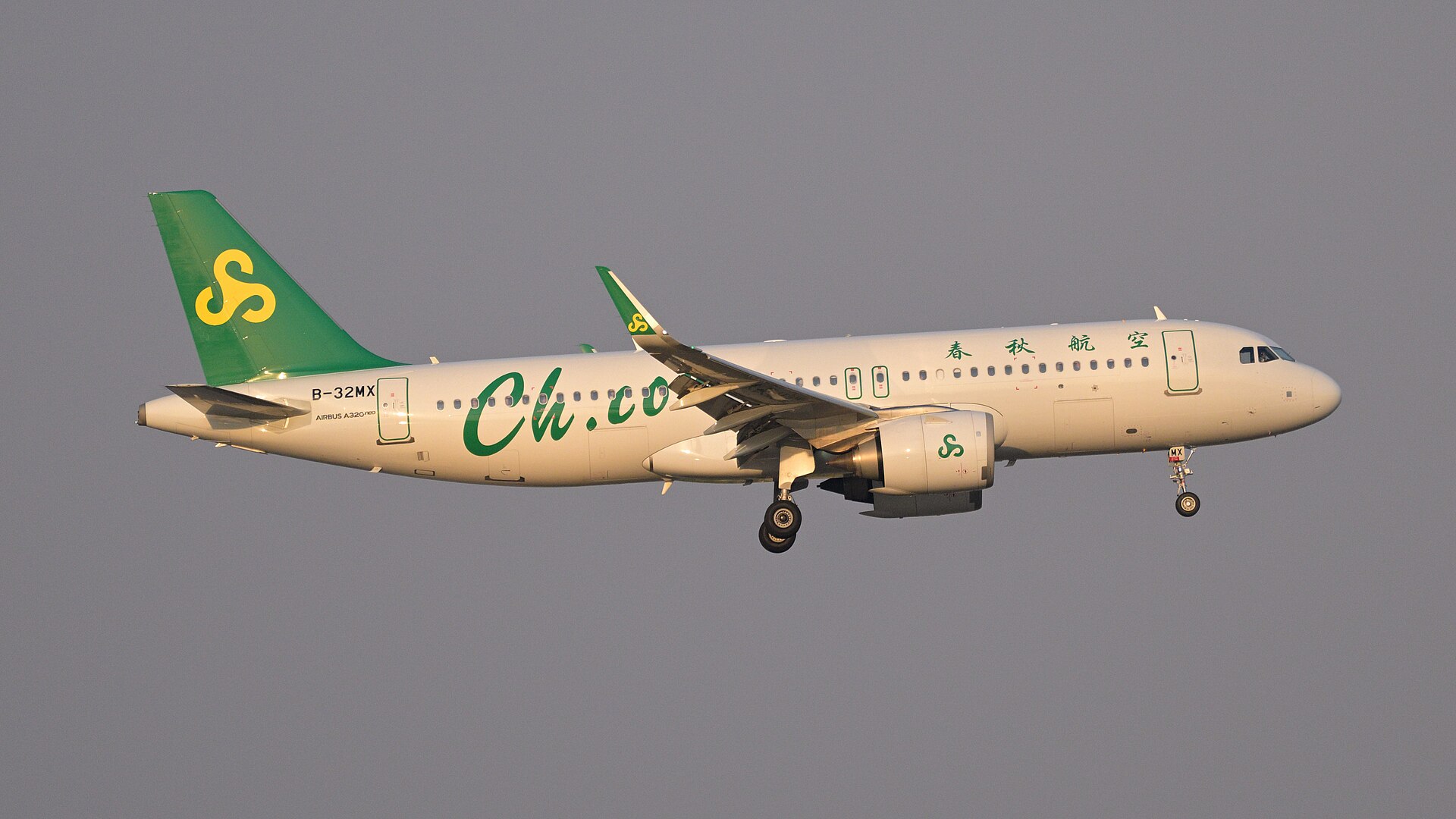
Airbus A320neo in airline service, photographed by 4300streetcar
AIRBUS · IN SERVICE SINCE 2016

Airbus A320neo

0.04
HULL LOSSES / MILLION DEPARTURES

Boeing counts this type's one hull loss as fatal: three firefighters died on the ground at Lima. Nobody aboard an A320neo has died.

Boeing family “A320/321/319 NEO” · fleet average 0.52
Boeing StatSum, 57th ed. → (opens in a new window)
One hull loss. No deaths aboard; three on the ground.

A fire engine crossed the runway at Lima in November 2022 as an A320neo was taking off. All 108 people aboard escaped. Three firefighters were killed. The aircraft was destroyed and everyone inside it walked away — over 20 million flights, and that is the fleet's only hull loss.

Wikipedia — Airbus A320neo family (opens in a new window) Full Airbus A320neo page
Record checked 2026-07-09. Photo by 4300streetcar · CC BY 4.0 (opens in a new window) · Wikimedia Commons (opens in a new window)
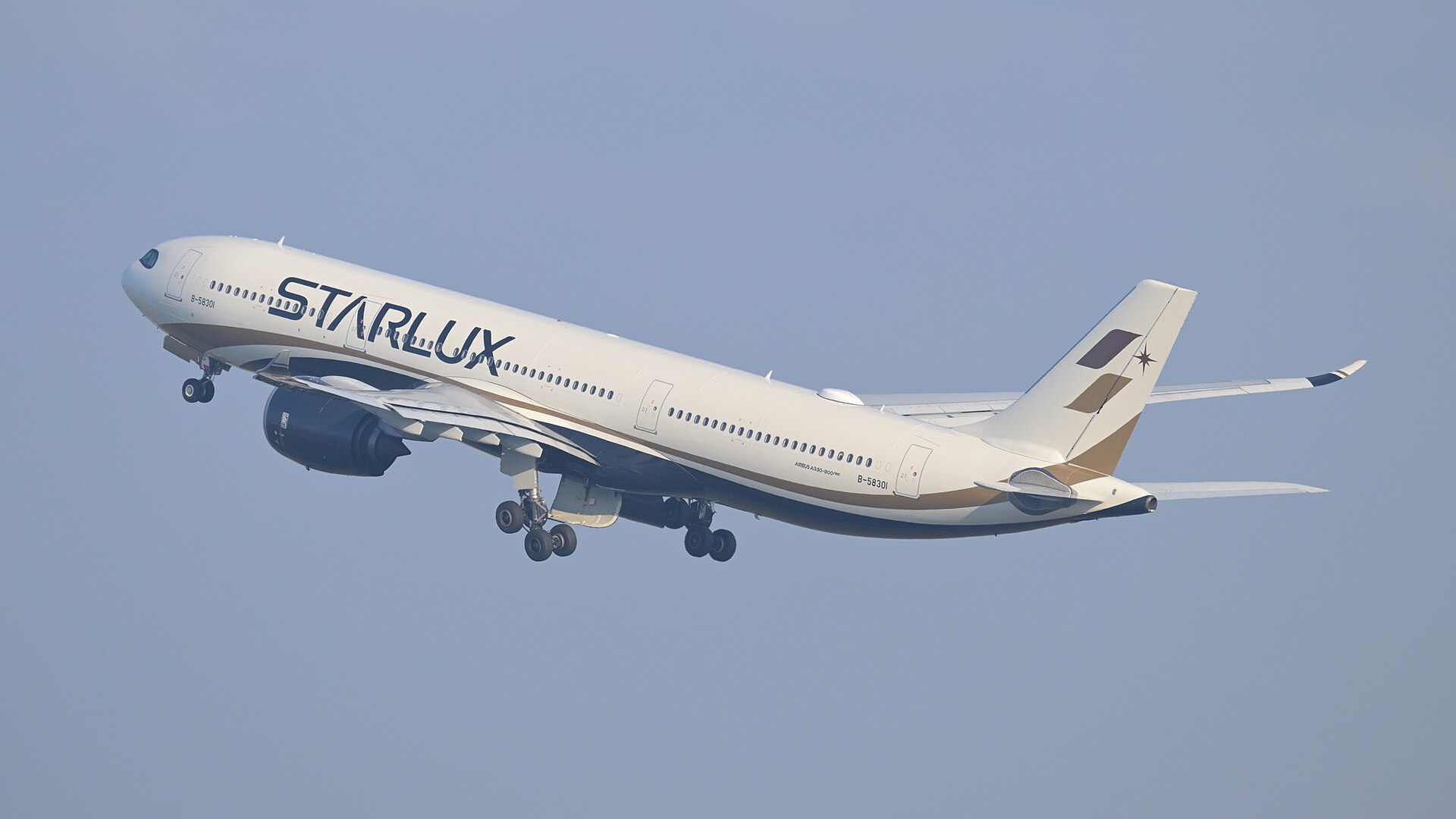
Airbus A330-900 in airline service, photographed by 4300streetcar
AIRBUS · IN SERVICE SINCE 2018

Airbus A330-900

0.00
HULL LOSSES / MILLION DEPARTURES
0.00
WITH FATALITIES
Boeing family “A330 NEO” · fleet average 0.52

No A330neo hull loss appears in Boeing’s table. That is an absence of record over a short service life, not a guarantee.

Boeing StatSum, 57th ed. → (opens in a new window)
No fatal accident on record.

The re-engined A330. In service since December 2018 with TAP Air Portugal. No hull loss, no fatal accident — a completely boring machine, which is the highest compliment available here.

Wikipedia — Airbus A330neo (opens in a new window) Full Airbus A330-900 page
Record checked 2026-07-09. Photo by 4300streetcar · CC BY 4.0 (opens in a new window) · Wikimedia Commons (opens in a new window)
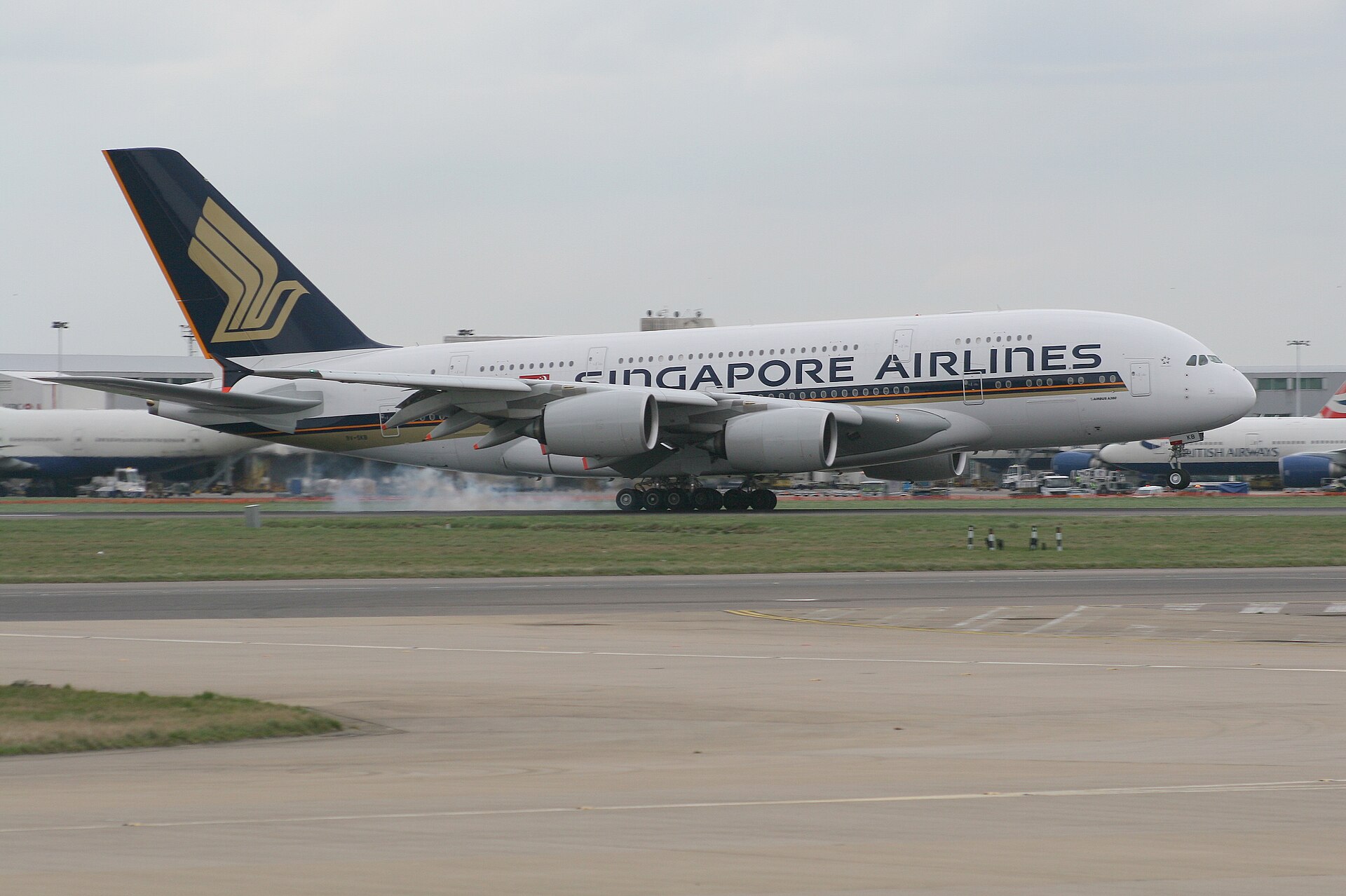
Airbus A380-800 in airline service, photographed by John Taggart from Sunbury on Thames, Middlesex
AIRBUS · IN SERVICE SINCE 2007

Airbus A380-800

0.00
HULL LOSSES / MILLION DEPARTURES
0.00
WITH FATALITIES
Boeing family “A380” · fleet average 0.52

No A380 hull loss appears in Boeing’s table. That is an absence of record, not a guarantee.

Boeing StatSum, 57th ed. → (opens in a new window)
No hull loss. No fatal accident on record.

The largest passenger aircraft ever built has never been destroyed in an accident. In 2010 a Qantas A380 suffered an uncontained engine failure over Indonesia, shed debris across an island, and landed safely in Singapore. Nobody was hurt — not aboard, not underneath.

Wikipedia — Airbus A380, Accidents and incidents (opens in a new window) Full Airbus A380-800 page
Record checked 2026-07-09. Photo by John Taggart from Sunbury on Thames, Middlesex · CC BY-SA 2.0 (opens in a new window) · Wikimedia Commons (opens in a new window)
Boeing 747-8 in airline service, photographed by InSapphoWeTrust from Los Angeles, California, USA
BOEING · IN SERVICE SINCE 2012

Boeing 747-8

0.00
HULL LOSSES / MILLION DEPARTURES
0.00
WITH FATALITIES
Boeing family “747-8” · fleet average 0.52 · thin data

Boeing flags the 747-8 as having accumulated fewer than one million departures. A 0.00 rate over thin exposure is weak evidence, not strong evidence.

Boeing StatSum, 57th ed. → (opens in a new window)
No fatal accident on record.

The last and largest 747, flying passengers since 2012. It does not appear anywhere in the list of 747 accidents — the final chapter of the aircraft that made long-haul flying ordinary.

Wikipedia — List of accidents and incidents involving the Boeing 747 (opens in a new window) Full Boeing 747-8 page
Record checked 2026-07-09. Photo by InSapphoWeTrust from Los Angeles, California, USA · CC BY-SA 2.0 (opens in a new window) · Wikimedia Commons (opens in a new window)
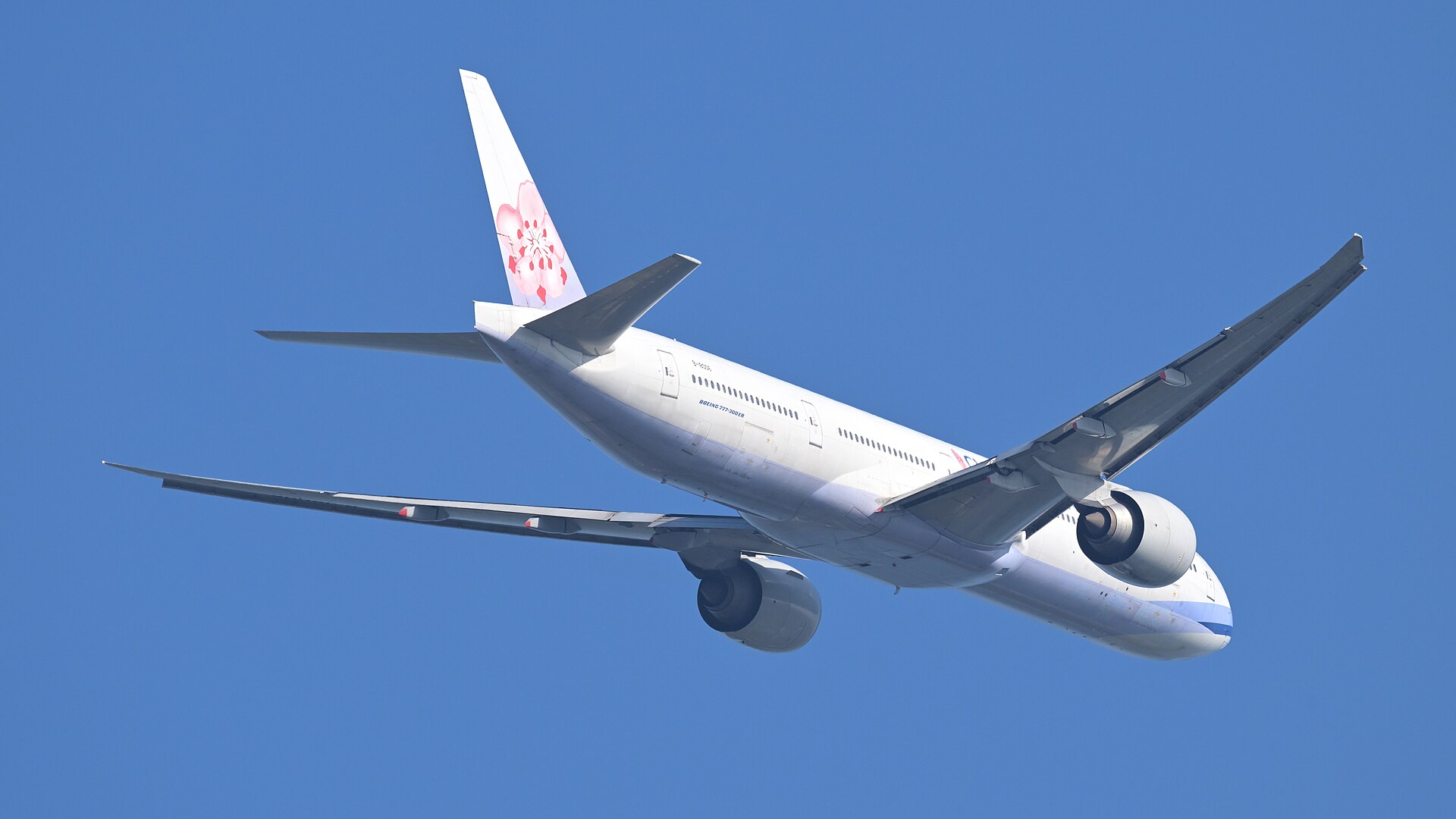
Boeing 777-300ER in airline service, photographed by 4300streetcar
BOEING · IN SERVICE SINCE 2004

Boeing 777-300ER

0.36
HULL LOSSES / MILLION DEPARTURES
0.12
WITH FATALITIES
Boeing family “777” · fleet average 0.52
Boeing StatSum, 57th ed. → (opens in a new window)
Eight hull losses and 542 deaths across the 777 fleet; the two deadliest were a shoot-down and a disappearance.

The 777 flew for eighteen years before an accident killed anyone aboard it. Its two worst losses were not accidents at all: MH17 was shot down over Ukraine, MH370 vanished. The -300ER is the best-selling widebody variant ever built.

Wikipedia — Boeing 777, Accidents and incidents (as of May 2024) (opens in a new window) Full Boeing 777-300ER page
Record checked 2026-07-09. Photo by 4300streetcar · CC BY 4.0 (opens in a new window) · Wikimedia Commons (opens in a new window)
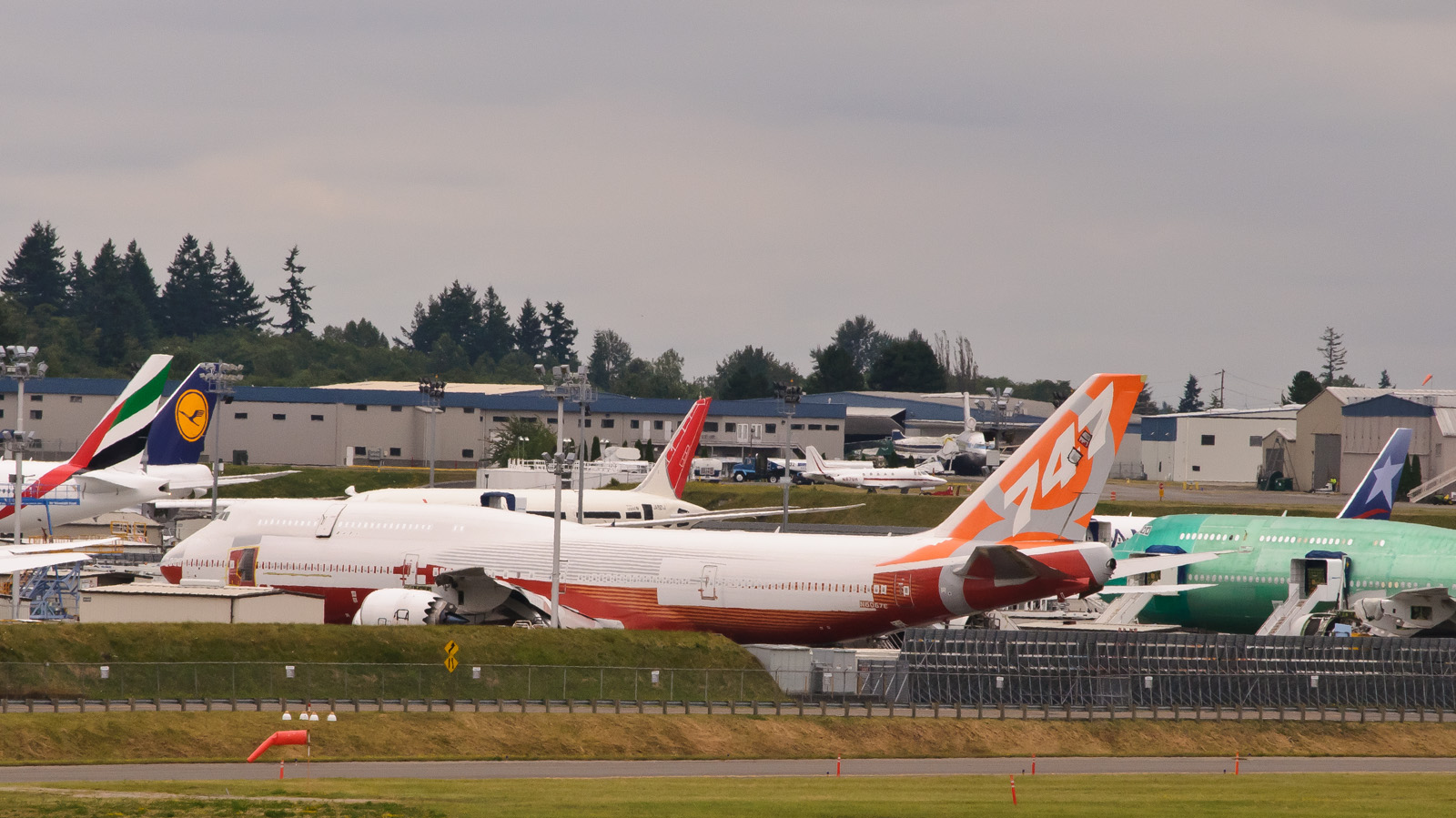
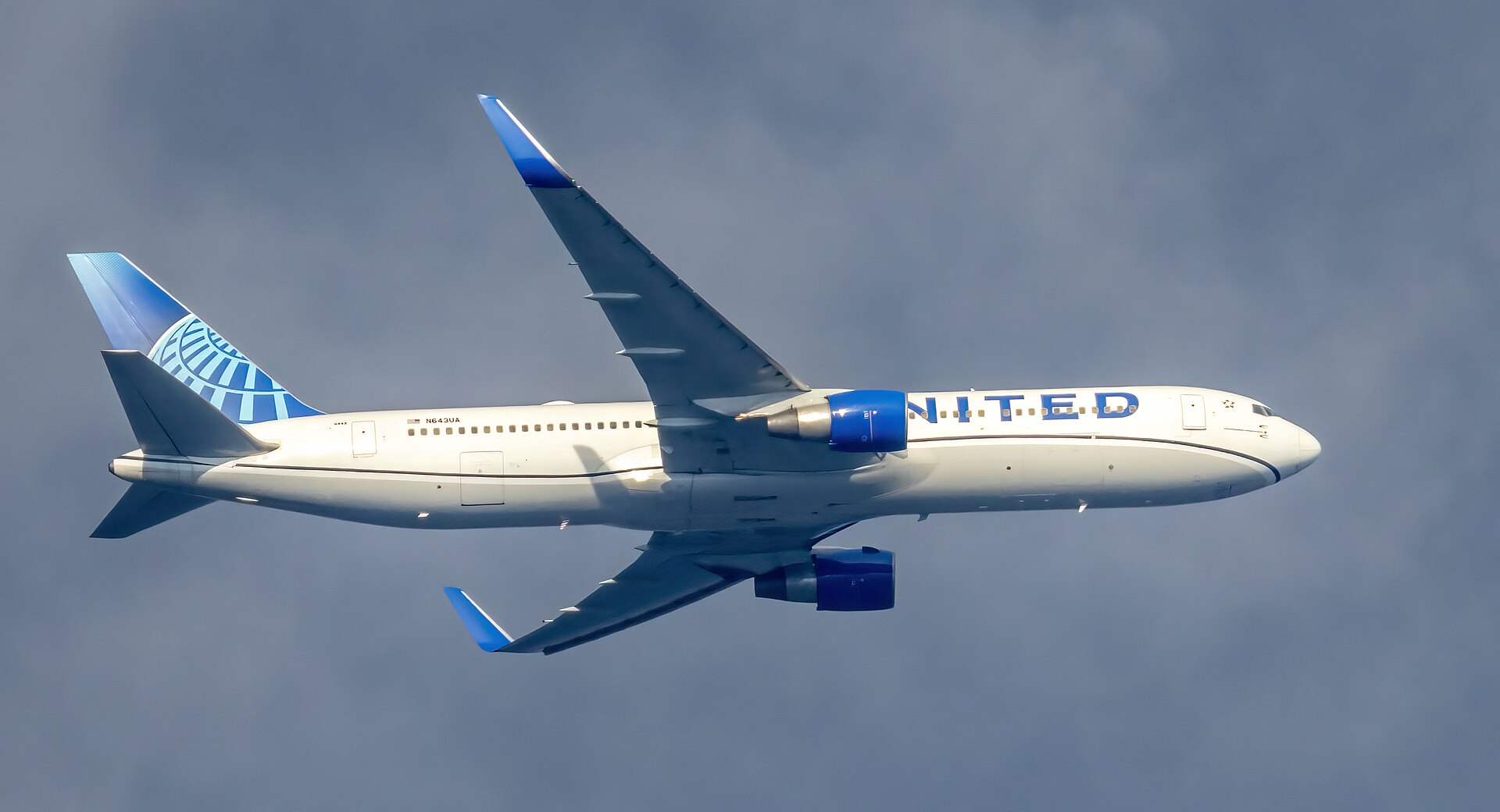
Boeing 767-300 in airline service, photographed by Acroterion
BOEING · IN SERVICE SINCE 1986

Boeing 767-300

0.55
HULL LOSSES / MILLION DEPARTURES
0.13
WITH FATALITIES
Boeing family “767” · fleet average 0.52
Boeing StatSum, 57th ed. → (opens in a new window)
Eleven fatal crashes and 854 deaths aboard since 1982. Seven of those crashes were hijackings.

The oldest aircraft on this site, and the one with the worst record on it. Two 767s were flown into the World Trade Center. Its deadliest accident, Lauda Air 004 in 1991, was traced to a thrust reverser and fixed across the whole fleet — which is what a forty-year-old record actually buys you: four decades of finding the failures, one at a time, and engineering them out.

Wikipedia — Boeing 767, Accidents and incidents (as of May 2026) (opens in a new window) Full Boeing 767-300 page
Record checked 2026-07-09. Photo by Acroterion · CC BY-SA 4.0 (opens in a new window) · Wikimedia Commons (opens in a new window)